
Short answer: The most common sign of a clogged dryer vent is clothes that are still damp after a normal cycle, or loads that take longer to dry than they used to. To check, run the dryer and go outside: if little or no air is coming out of the vent hood, the vent is likely blocked. A hot laundry room, a hot dryer, or a burning smell are reasons to stop using the dryer until the vent is cleaned.
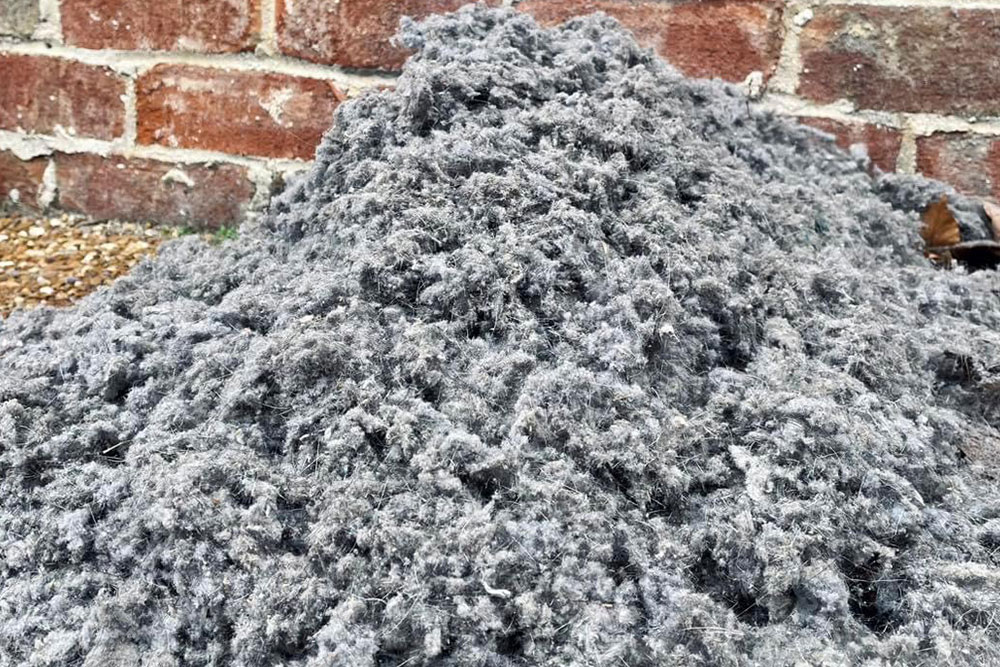
9 signs your dryer vent is clogged
- Clothes are still damp at the end of a normal cycle.
- Drying takes longer than it used to, or loads need a second cycle.
- Weak or no airflow at the outside vent while the dryer runs.
- The dryer or the laundry room gets hot while it runs.
- A burning smell when the dryer is on. Stop using the dryer until the vent is cleaned.
- A musty smell or damp lint, which usually means moisture is sitting in the vent (see below).
- Lint around the outside vent, behind the dryer, or around the door seal.
- The outside flap doesn’t open, stays stuck open, or is blocked by a bird’s nest or snow.
- The dryer runs but won’t heat, or a “check vent” or airflow warning comes on.
How to check your dryer vent yourself
- Clean the lint screen first, so you know it isn’t the problem.
- Run the dryer on high heat and go outside to the vent hood.
- Feel for airflow. You should feel a strong, warm stream of air and see the flap open. Little or no air means a blockage.
- Look behind the dryer for a crushed, kinked or disconnected hose.
- Check the outside hood for lint, a stuck flap, a screen, or snow covering it in the winter.
The Consumer Product Safety Commission recommends the same core check: look at the outside vent while the dryer runs to make sure exhaust air is escaping.
Is it safe to use a dryer with a clogged vent?
No. When lint packs into the vent, hot, damp air can’t get out, so the dryer runs longer and hotter. Stop using it if it’s getting very hot or you smell burning, and get the vent cleaned.
Why is there water or wet lint in my dryer vent?
Dryer exhaust is warm and full of moisture. When it moves slowly through a long run, a cold attic or a roof vent, some of that moisture condenses inside the duct and soaks the lint, which then sticks and builds up faster. A clogged vent makes it worse, because the air moves even slower. Water also pools at sags or low spots in the duct, and a flap that’s stuck open lets cold air and snow in.
What to do if your dryer vent is clogged
- Stop using the dryer if it’s getting very hot or you smell burning.
- Clean the lint screen and the area behind the dryer.
- Have the whole vent line cleaned, from the dryer to the outside hood, and then at least once a year (see how often to clean your dryer vent). We camera-inspect every line end to end.
- Replace plastic or foil accordion hose with metal, as the CPSC recommends. If the duct itself is crushed or too long, see dryer vent replacement.
Frequently asked questions
How can you tell if a dryer vent is clogged?
Clothes stay damp after a normal cycle or take longer to dry, and little or no air comes out of the outside vent while the dryer runs. A hot dryer, a hot laundry room or a burning smell are also signs.
Can a clogged dryer vent cause a fire?
Yes. Lint is flammable, and a blocked vent traps heat. The National Fire Protection Association found failure to clean was the leading cause (31%) of home dryer and washer fires.
Can a clogged dryer vent stop the dryer from heating?
It can. A blocked vent traps heat in the dryer, and its safety parts cut the heat to keep it from overheating. If it gets hot enough, a one-time thermal fuse can blow, and the dryer runs cold (or on some models won’t start) until the fuse is replaced. Clean the vent first, or a new fuse can blow too.
Related guides
- How often should you clean your dryer vent?
- Why is the “Check Vent” light on?
- Cleaning your dryer vent yourself vs. hiring a pro
- Dryer vent smells, birds and animals
- How much dryer vent cleaning costs
- Dryer vent replacement
- Roof-vented dryers in Vermont
Sources
- U.S. Consumer Product Safety Commission: Overheated Clothes Dryers Can Cause Fires
- NFPA: Home Fires Involving Clothes Dryers and Washing Machines (fact sheet, 2017)
- NFPA: Clothes Dryer and Washing Machine Safety Tips
Think your dryer vent is clogged?
Mansfield Services cleans dryer vents across Chittenden, Lamoille and Franklin counties. Book online in a couple of minutes, or call or text (802) 777-3210.
Book dryer vent cleaning → See dryer vent cleaning →