
Short answer: In a Vermont winter, the warm, wet air from your dryer hits a freezing vent hood, and the flap can freeze shut or ice up. Snowbanks and roof snow can bury low vents and roof caps. Either way, the dryer can’t exhaust. Stop using it until the vent is clear, gently clear the snow and ice from outside, and have the line cleaned if lint is part of the problem.
Why dryer vents freeze in winter
- Moisture meets cold. Dryer exhaust is warm and wet. At the hood, it cools and freezes on the flap and grille.
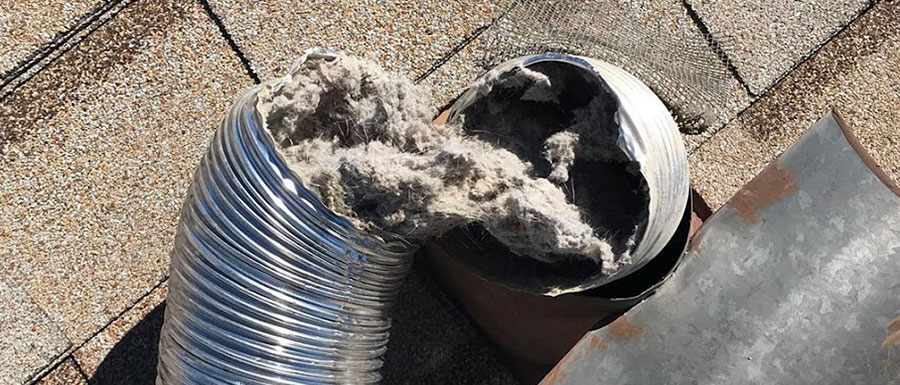
- Lint makes it worse. Lint holds moisture, and a partly clogged line pushes out less air, so ice builds faster.
- Long runs through cold spaces. Lines in attics, garages or crawlspaces can collect condensation that freezes or drips back.
- Screens on the hood catch lint and ice. The model building code doesn’t allow screens on dryer vent openings for this reason.
Why a blocked vent is dangerous
When the vent can’t exhaust, the dryer runs hotter and longer, which raises the fire risk. With a gas dryer, a blocked vent can also push exhaust, including carbon monoxide, back into your home. Make sure you have working carbon monoxide alarms, and don’t run the dryer until the vent is clear.
How to clear a frozen or buried dryer vent
- Turn the dryer off.
- Clear snow away from the hood with a broom or by hand. Don’t hit the hood with a shovel.
- Let ice melt off or loosen it gently. Don’t pry the flap, which can crack it.
- Check that the flap opens freely and air blows out strongly when the dryer runs.
- Don’t climb on an icy roof to clear a roof vent. Call a pro.
How to keep it from happening again
- Keep the line clean. A clean line pushes out more air and freezes less. Once a year is the minimum.
- Keep snow cleared around low vents after every storm and plowing.
- Replace screened or stuck hoods with a hood made for dryers.
- Fix long or sagging runs through cold spaces. See dryer vent replacement and roof-vented dryers in Vermont.
How we help
We clean the whole line, from the back of the dryer to the outside hood, and camera-inspect it end to end so you can see it’s clear. Our crews wear boot covers inside your home. If the hood or the run is part of the problem, we’ll tell you and can replace it.
Frequently asked questions
Why is my dryer vent frozen?
Warm, wet exhaust freezes on the cold hood and flap. Lint buildup, screens on the hood and long runs through cold spaces make it worse.
Can I use my dryer if the vent is frozen?
No. A blocked vent makes the dryer run hotter, which is a fire risk, and a gas dryer can push carbon monoxide back into the house.
How do I unfreeze a dryer vent?
Turn the dryer off, clear the snow away from the hood, and let the ice melt or loosen it gently. Don’t pry the flap or climb onto an icy roof.
Does snow blocking the dryer vent matter?
Yes. Snow over the hood blocks the exhaust just like lint does. Clear it after every storm.
Related guides
- How often to clean your dryer vent
- Signs your dryer vent is clogged
- Why is the “Check Vent” light on?
- Cleaning your dryer vent yourself vs. hiring a pro
- Who cleans dryer vents?
- Dryer vent smells, birds and animals
- How much dryer vent cleaning costs
- Dryer vent replacement
Sources
- U.S. Consumer Product Safety Commission: Overheated Clothes Dryers Can Cause Fires
- NFPA: Clothes Dryer and Washing Machine Safety Tips
Get your dryer vent ready for winter
Mansfield Services cleans dryer vents across Chittenden, Lamoille and Franklin counties. Book online in a couple of minutes, or call or text (802) 777-3210.
Book dryer vent cleaning → See dryer vent cleaning →