
What To Do Every Month To Maintain Your Vermont Home
Monthly home maintenance in Vermont starts with noticing small signs before they become bigger concerns. Gutters, rooflines, siding, outdoor surfaces, windows, solar panels, dryer vents, air ducts, and mini-splits all need regular attention as the weather changes. A steady routine helps you track moisture, debris, airflow changes, and exterior buildup, then schedule professional service when needed.
Maintaining your Vermont home can feel easier when you know what to look for each month. Have you noticed leaves collecting near your gutters, dark streaks on your roof, pollen on your windows, or longer drying times in your laundry room? These small signs can point to moisture, airflow, debris, or exterior buildup that should be addressed before it grows. Vermont weather can change quickly, so a simple monthly rhythm helps you stay aware without taking on risky tasks yourself.
Let’s walk through the monthly signs to watch, the maintenance needs to track, and the right time to schedule professional cleaning help for a cleaner, safer, and more comfortable home.
Follow a Vermont Home Care Calendar Month by Month

A year-round home care plan works best when it follows Vermont’s seasonal rhythm. January and February are good months to watch indoor airflow, dryer performance, mini-split output, and signs of stale air while the home stays closed against the cold. March and April often bring melting snow, roof debris, gutter overflow, and siding stains into view. May and June are strong months to plan house soft washing, roof cleaning, window cleaning, gutter cleaning, and solar panel cleaning after pollen, rain, and winter residue have settled on exterior surfaces.
July and August can bring humidity, dust, algae, and outdoor surface buildup, so decks, walkways, fences, patios, and other pressure washing areas deserve attention. September and October are key months for leaf buildup, gutter guard planning, roofline checks, and exterior cleaning before colder weather returns. November and December are smart months to review dryer vent cleaning, dryer vent replacement needs, air duct cleaning, mini-split cleaning, and interior home cleaning services so your home feels cleaner and steadier through winter.
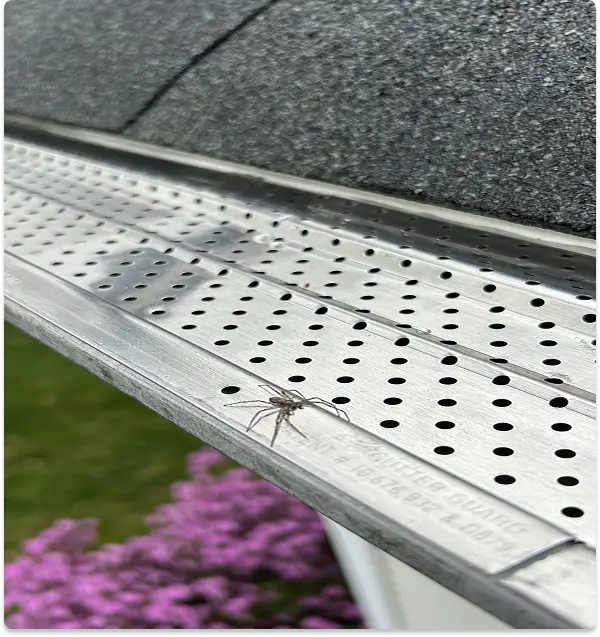
Check Gutters and Downspouts for Water Flow Problems
Gutters carry a heavy job in Vermont as they guide rain, snowmelt, and roof runoff away from your home. Each month, look for visible leaves, pine needles, loose sections, sagging areas, overflow marks, or water pooling near your foundation. A ground-level check can tell you a lot without putting you on a ladder.
After storms or windy days, pay closer attention to corners, valleys, and downspout exits because debris often gathers there first, especially near shaded roof edges and wooded areas.
Blocked gutters can push water toward fascia boards, siding, basement areas, and walkways. During colder months, trapped water can freeze and add more stress along the roofline. Gutter guards can help reduce the amount of debris that collects, especially around homes with nearby trees. They still need periodic attention, so monthly observation remains useful. When water does not move where it should, schedule professional gutter cleaning before the issue spreads into moisture damage, icy patches, or costly foundation concerns later on.
Look Over Your Roof from a Safe Ground-Level View
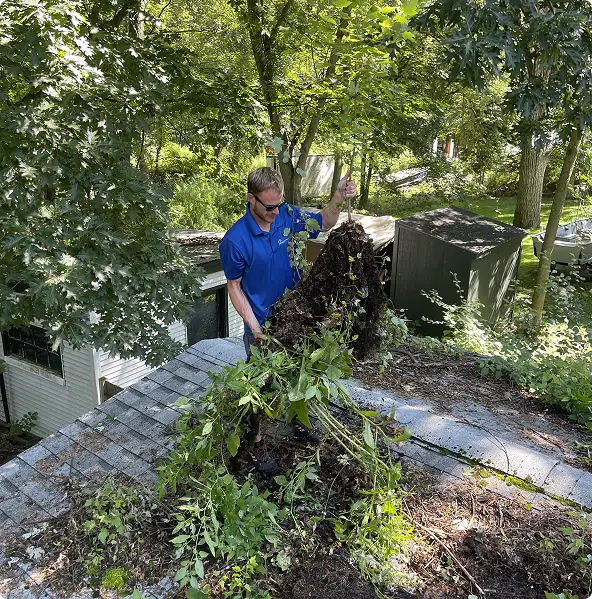
A quick look from your yard can reveal early roof concerns without putting you in an unsafe position. Watch for dark streaks, moss patches, loose debris, lifted shingles, shaded damp areas, or branches sitting near the roof surface. Vermont homes often deal with snow, ice, tree coverage, and freeze-thaw cycles, so small changes along the roofline deserve steady attention. Binoculars can help you see more detail from the ground, especially after storms, heavy winds, or long stretches of wet weather.
Month-to-month roof awareness also helps you decide when professional cleaning or inspection should be scheduled. Moss and algae can hold moisture against the surface, while leaves and sticks can trap dampness in roof valleys. Black streaks may affect curb appeal and signal organic buildup that should be handled with the right cleaning method. Avoid walking on the roof or using harsh washing methods because both can create extra risk. A safer approach is to document what you see, compare changes over time, and arrange professional help when buildup or damage becomes visible.
Watch for Dirt, Mildew, and Algae on Your Siding
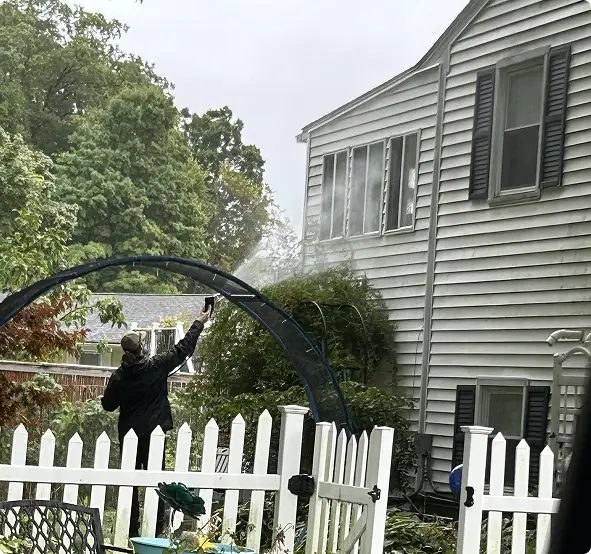
Your siding takes on constant exposure from Vermont weather, nearby trees, road dust, shade, pollen, and moisture. Each month, scan the exterior from a safe viewing point and look for green film, gray staining, dark patches, streaks, or dull areas that make the home look tired. North-facing and shaded walls often show buildup sooner because they dry more slowly after rain or snowmelt. Areas near shrubs, vents, porch corners, and roof overhangs can also collect moisture and debris faster than open surfaces.
Regular observation helps you know when house soft washing should be planned before grime becomes harder to remove. Soft washing is different from stronger pressure washing because it is designed for siding and other more delicate exterior materials. This matters when your goal is to clean the surface without unnecessary force. A cleaner exterior can support curb appeal, reduce organic buildup, and help you feel more confident about the condition of your home.
Review Decks, Walkways, Fences, And Outdoor Surfaces
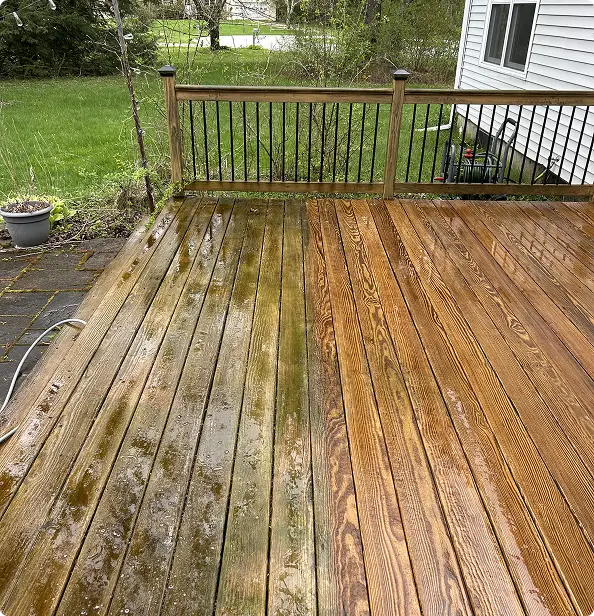
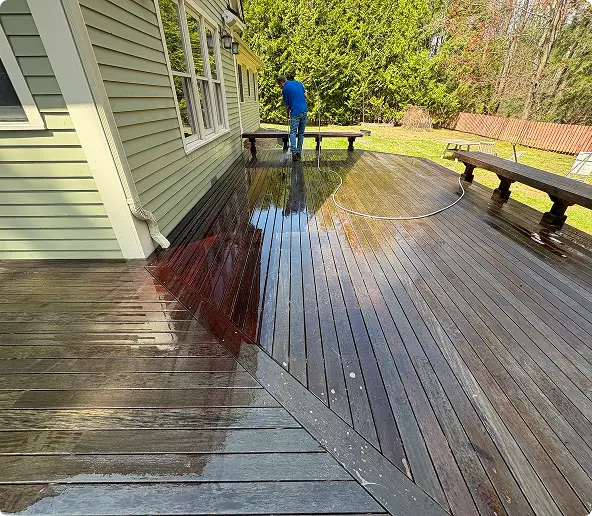
Outdoor surfaces can change quickly when moisture, shade, leaves, and daily foot traffic build up over time. Each month, take a safe look at your deck, walkways, fence lines, porch areas, patio spaces, and other durable surfaces around your home. Watch for slippery film, dark staining, green buildup, mud tracks, leaf stains, or areas that stay damp longer than the rest. These signs often appear after the spring thaw, summer humidity, heavy rain, or long stretches of shaded weather.
Professional pressure washing can help restore stronger outdoor surfaces when the right method is matched to the material. Deck washing, walkway washing, and fence washing should be approached carefully because wood, concrete, stone, and composite materials respond differently to water pressure. Too much force can leave marks, raise wood fibers, or damage aging surfaces. A monthly review helps you decide when cleaning is needed before buildup affects safety, appearance, or daily use. Here, the smart step is to notice the condition early and arrange service before the surface becomes harder to clean.
Pay Attention to Windows and Solar Panels
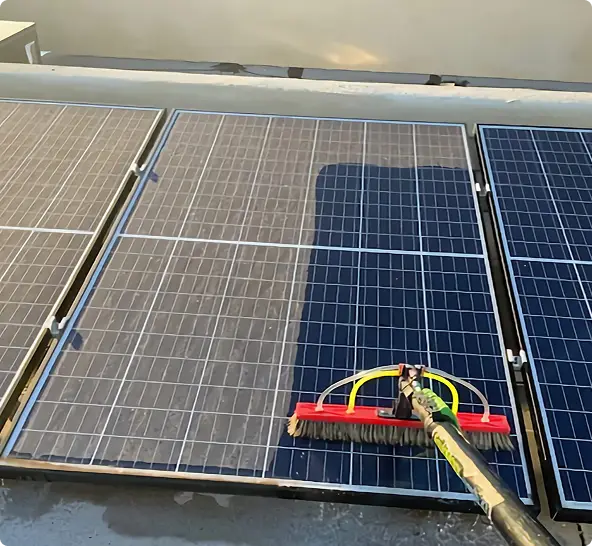
Clear glass and clean solar panels can make a noticeable difference in how your home looks, feels, and performs throughout the year. During your monthly check, look for pollen, dust, water spots, bird droppings, leaf residue, sap, streaks, or cloudy buildup. Vermont homes can collect this residue quickly during spring bloom, summer storms, fall leaf drop, and muddy thaw periods. Windows may start to block natural light, while solar panels may lose some surface clarity when debris stays in place.
A regular visual review helps you decide when professional window cleaning or solar panel cleaning should be scheduled. Clean windows can brighten interior spaces and improve views, especially after long winter months. Solar panels also need the right cleaning approach because surface damage, unsafe roof access, or improper tools can create problems. Rather than treating these areas as occasional afterthoughts, add them to your monthly home rhythm.
Notice Dryer Performance and Vent Warning Signs
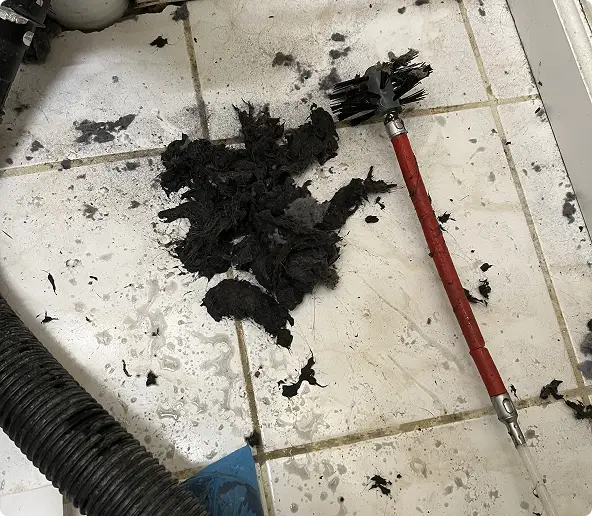
Laundry habits can reveal more than you might expect about the condition of your dryer vent. Each month, pay attention to longer drying times, hotter laundry loads, excess lint around the dryer area, weak airflow outside, unusual odors, or a dryer that feels warmer than normal during use. These signs can point to restricted airflow, lint buildup, crushed venting, poor vent layout, or damaged vent material. A dryer that struggles to move air can work harder, waste energy, and create a concern that should be addressed promptly.
A safer monthly routine is to watch performance and schedule professional dryer vent cleaning when warning signs appear. Dryer vent replacement may also be needed when venting is outdated, disconnected, crushed, poorly routed, or damaged. This is not an area where guesswork is helpful because airflow, heat, lint, and vent material all matter. Professional service can identify the cause and support better dryer performance.
Check Indoor Airflow, Dust, Odors, and Mini-Split Performance
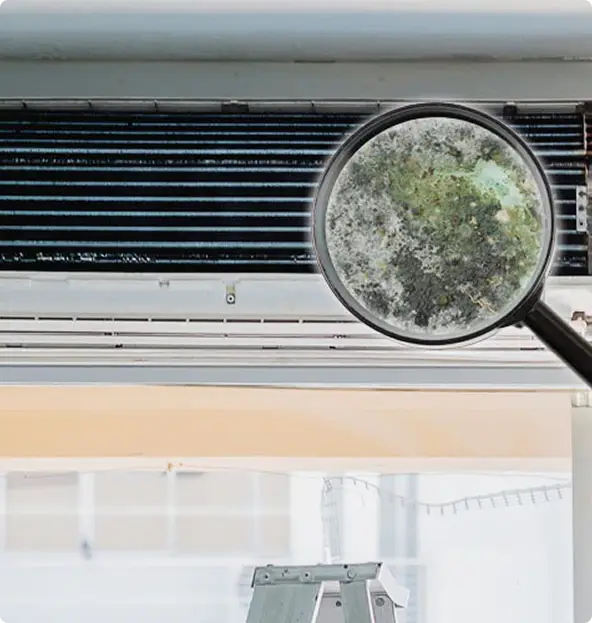
Comfort inside your home can shift when dust, moisture, stale air, or hidden buildup start affecting airflow. Each month, notice whether certain rooms feel stuffier than others, whether dust returns quickly after cleaning, or whether musty odors appear near vents, returns, or indoor equipment. Visible dust around registers can also point to buildup that needs attention. Long Vermont winters often keep homes closed for extended periods, so indoor air can feel heavier when ventilation and cleaning needs are overlooked.
Mini-splits deserve the same monthly awareness because they move conditioned air directly into your living spaces. Watch for weaker airflow, unusual smells, moisture near the unit, visible grime, or reduced comfort from one room to another. Air duct cleaning, mini-split cleaning, and interior home cleaning services can all support a fresher indoor environment when dust and buildup become noticeable. A simple monthly review helps you recognize changes early, then schedule the right professional service before comfort, cleanliness, or air quality concerns become harder to manage.
Keep Your Vermont Home Ready Through Every Season
Here at Mansfield Services, we help make that monthly care easier with professional home services for both the outside and inside of your property. Our team can help with house soft washing, pressure washing, deck washing, walkway washing, fence washing, gutter cleaning, gutter guard installation, roof cleaning, window cleaning, solar panel cleaning, dryer vent cleaning, dryer vent replacement, air duct cleaning, mini-split cleaning, and interior home cleaning services.
And because Vermont homes face different cleaning, airflow, and exterior care needs in every season, we bring year-round service knowledge that helps you plan with confidence. As a family-owned local business, we focus on responsive service, clear communication, and quality work for Vermont homeowners.
Frequently Asked Questions

How often should I check the exterior of my Vermont home?
A monthly visual check is a smart rhythm for Vermont homes because weather conditions shift often. Look for gutter overflow, roof debris, siding stains, slippery walkways, dirty windows, and buildup on outdoor surfaces. This helps you know when professional cleaning or maintenance should be scheduled.
What monthly signs suggest my dryer vent needs attention?
Longer drying times, hotter laundry, weak airflow outside, excess lint, or unusual odors can point to dryer vent issues. These signs may mean lint buildup, restricted airflow, damaged venting, or poor vent layout. Professional dryer vent cleaning or dryer vent replacement can help address the cause.
Why should indoor airflow be part of monthly home maintenance?
Indoor airflow affects comfort, freshness, and air quality, especially during long Vermont winters. Dust near vents, musty odors, weak mini-split airflow, or rooms that feel stuffy can point to buildup. Air duct cleaning, mini-split cleaning, and interior cleaning services can help support a cleaner indoor environment.